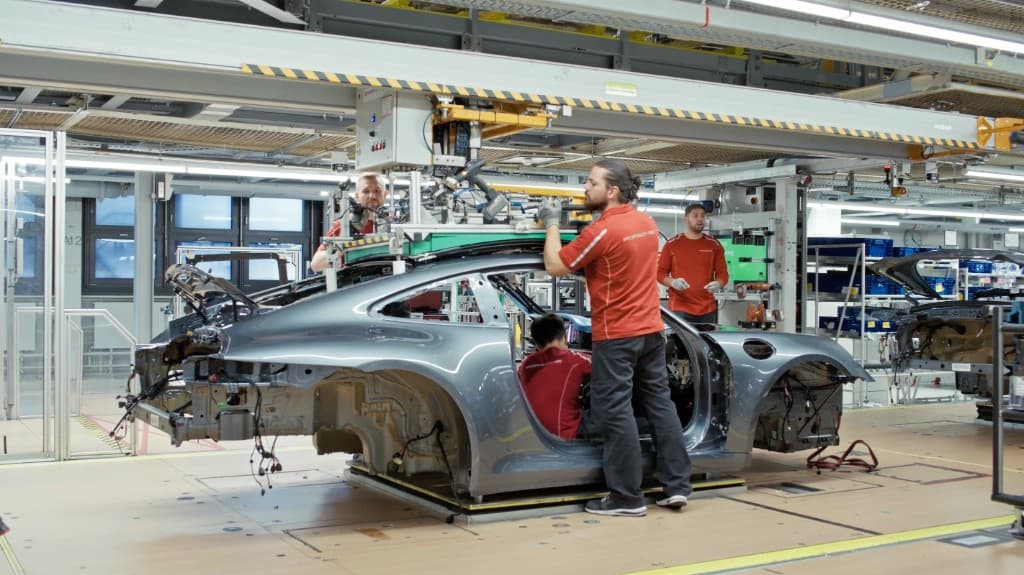
The right level of guidance for every assembly process
Not every assembly line needs step-by-step instructions.
Running on shop floors at







Four patterns
Four ways assembly teams use Workerbase
Experienced operators may only need a reference. Other builds need confirmation, an as-built record, or step-by-step guidance for every variant.
Reference
Trained teams, few variants
Confirm
Build-and-check processes
Document
ETO, one-off and customer-specific builds
Guide
High-mix, random variants
Use the amount of guidance the process actually needs.
How was that again?
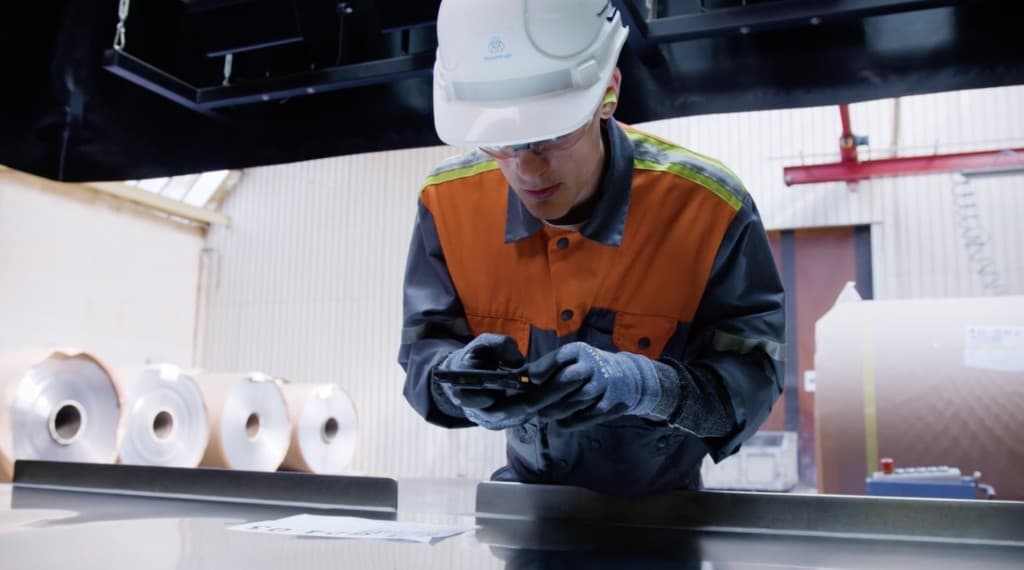
In repetitive assembly, trained operators usually know the job.
They do not need to read instructions every cycle. They need fast access when a rare variant, option or value appears.
Workerbase makes existing content easy to find:
- pdfs and work instructions
- drawings and SOPs
- product or variant notes
- torque values and reference images
- trained operators
- low-to-medium variants
- short takt
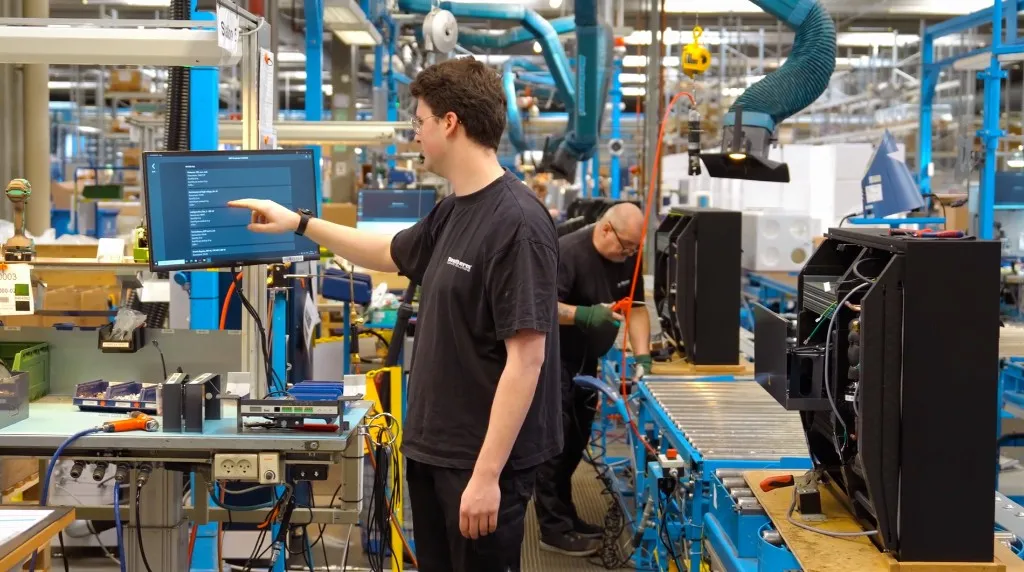
Did we build it correctly?
Sometimes the work is known, but the result must be proven.
Build -> Check -> Confirm
Capture only what matters:
- measurements
- tolerances
- serial numbers
- photos
- signatures
- pass / fail
- deviations
- quality-critical assembly
- traceability
- customer acceptance
- regulated work
Build-and-check
Station 12 · Unit 8841
- Measurement12.02 mm
- Serial numberSN-8841
- PhotoCaptured
- ResultPass
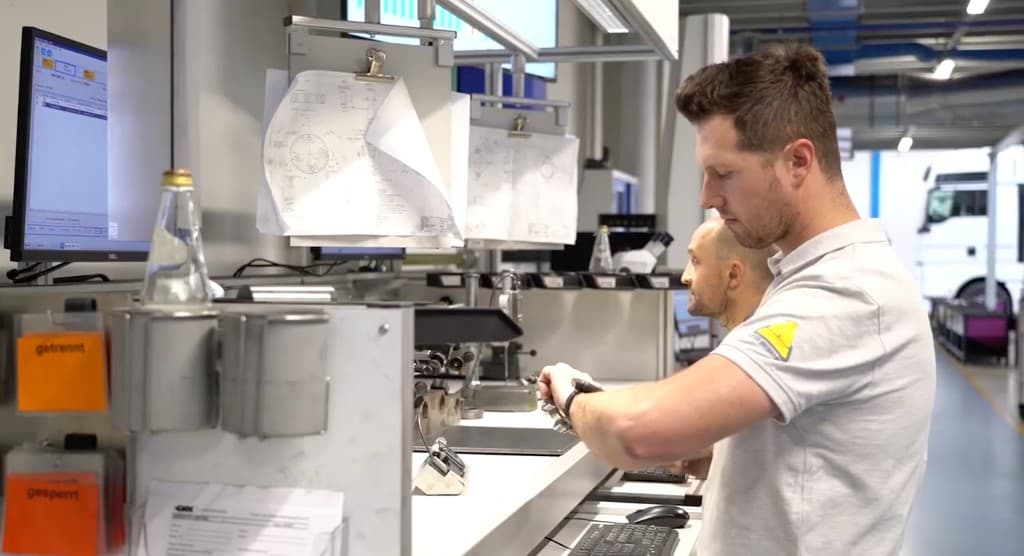
What exactly did we build?
Engineered-to-order and customer-specific products are different.
The operator may work primarily from drawings and engineering documentation. The important part is capturing what was actually built.
Typical data includes:
- installed components
- serial numbers
- measurements
- photos
- deviations
- test results
- approvals
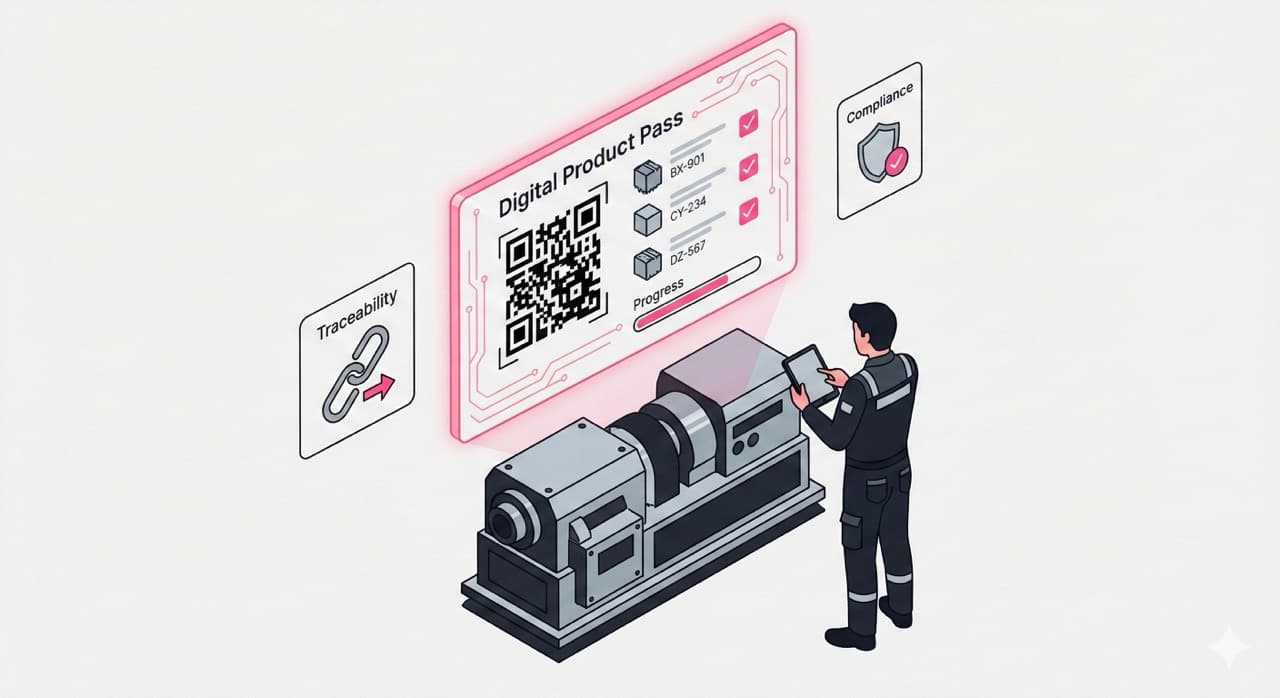
The result is an as-built record for that specific unit. Use it later for installation, commissioning, service, warranty or rebuilds.
As-built record
Unit 8841 · ETO
- ComponentMotor Y
- Serial numberSN-8841
- Measurement12.02 mm
- ApprovalSigned
What do I need to do for this exact product?
Guided assembly matters when the correct work cannot reliably come from training alone.
Typical reasons:
- many variants
- random product sequence
- frequent option changes
- mixed-skill teams
- expensive assembly errors
- high-mix manufacturing
- configurable products
- random sequence
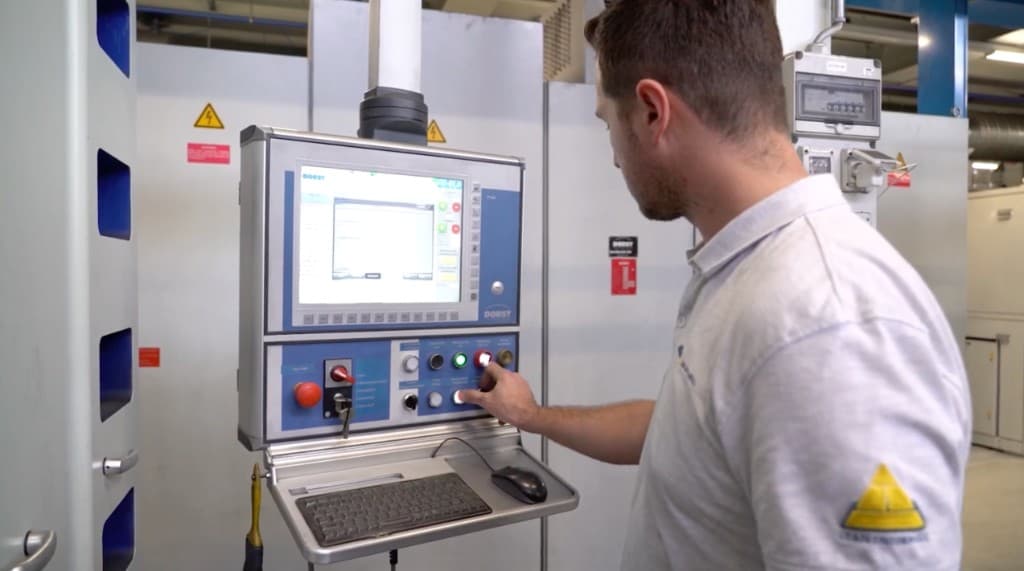
Workerbase can use product and order data to determine:
- which steps apply
- which steps are skipped
- which image or parameter is correct
- which checks are required
- which values must be captured
Guidance can stay lightweight or become strict where needed:
- display only
- confirm critical steps
- confirm every step
- capture values
- enforce tolerances
- trigger rework
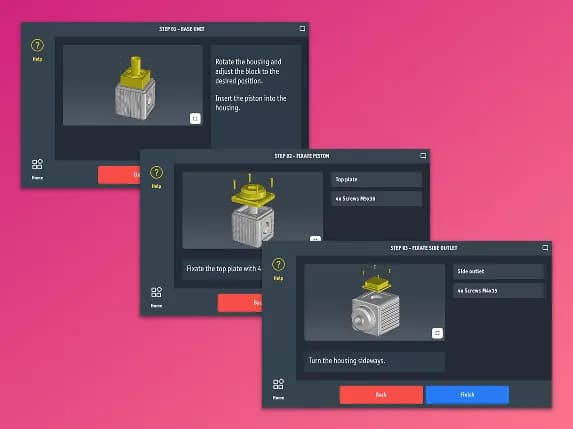
Variants should not create hundreds of instructions
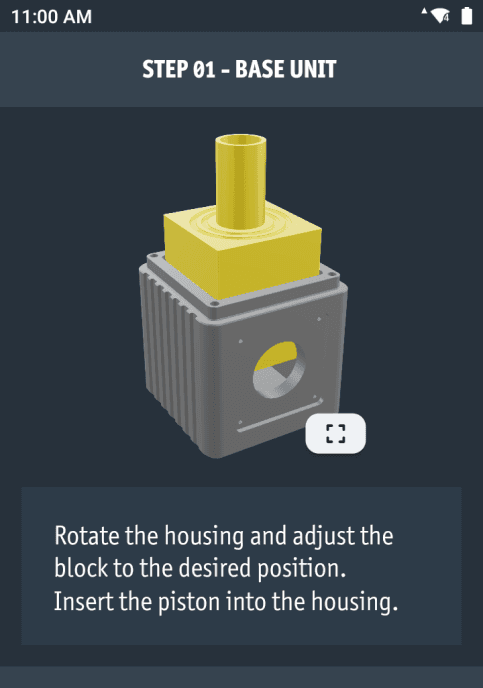
Define what changes once. Reuse what stays the same.
Assembly complexity usually comes from combinations:
EU / US plug · 110 V / 230 V · left / right · motor X / Y · option A / B / C · customer-specific modules
The wrong approach is duplicating entire instructions for every combination.
Product and order context determine which content and steps apply to this exact build.
This matters across Reference, Confirm, Document and Guide.
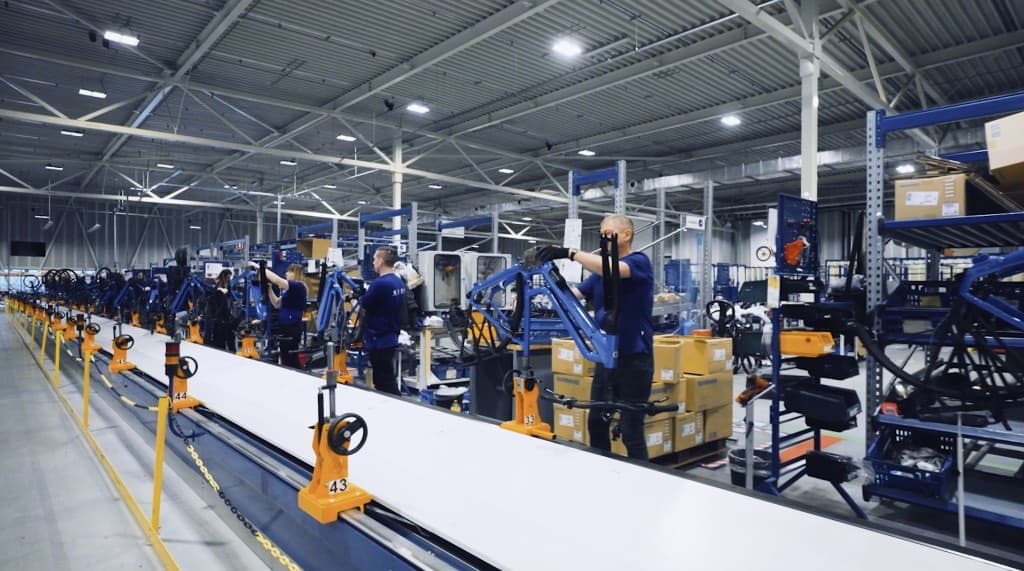
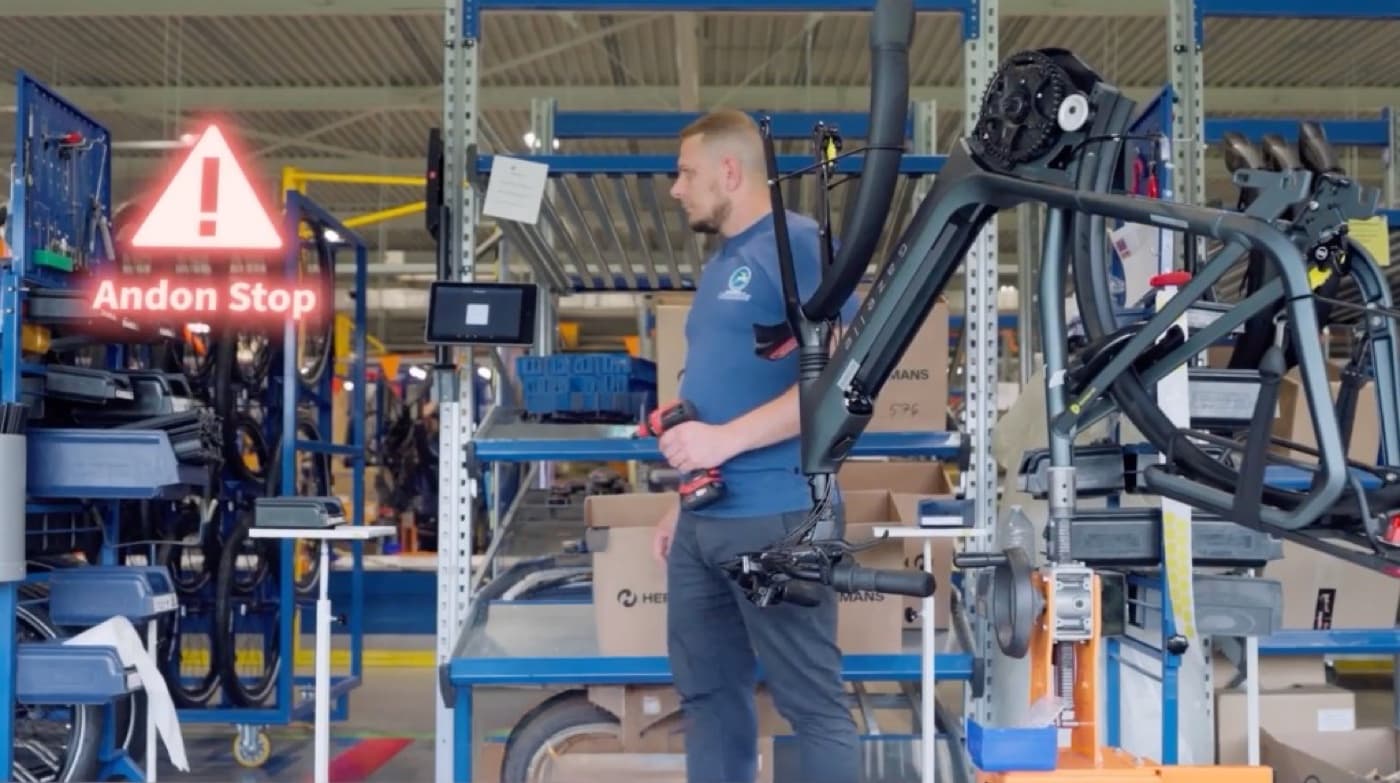
Gazelle builds every bike with Workerbase.
Every bike, every variant, every station.
The execution data generated during assembly also enables line balancing and continuous improvement.
“This platform is now essential to us. We are expanding the use of Workerbase globally and have already implemented it at additional plants as part of our core production infrastructure.”
Johan Frinsel
Assembly Manager at Royal Dutch Gazelle, Gazelle
Short takt and long-cycle assembly need different UX
Short takt
- Operators usually know the work.
- Reading every cycle slows production.
- Guidance must be short and visual.
- Reference + Confirm often fit best.
Long-cycle / untakted
- More engineering content is used during execution.
- Drawings, measurements and documentation are normal.
- Detailed records matter more.
- Document / As-built often becomes important.
The operator should not have to read unless they need to.
For long-cycle or engineered assembly, documentation may matter more than step-by-step guidance.
Use the product data you already have
If another system already knows the product, you should not have to enter it again.
ERP, MES, PLM and configuration systems already know these. Workerbase uses that context to select the relevant assembly content.
What about connected tools, cameras and pick-by-light?
Automated verification is the next step beyond guided assembly.
Connected torque tools, cameras, scanners and pick-by-light can automatically confirm parts of the physical process.
Our current focus is: Reference · Confirm · Document · Guide
Which assembly pattern fits your process?
Pick the pattern that matches how your line actually works today.
Reference
Operators know the job and occasionally need reference information
Confirm
Operators know the job but results must be confirmed
Document
You build unique products and need a complete execution record
Guide
Variants determine what the operator must do
Many plants combine several patterns on the same line.
Go deeper from assembly
Related use cases

FAQ
Show us how your assembly process actually works
Bring one real assembly process:
reference · build-and-check · engineered-to-order · high-variant guided assembly
We will show you the level of guidance that fits.